Guides / Sourcing Guide
Bedroom Furniture From Vietnam: Beds and Casegoods
October 8, 2026
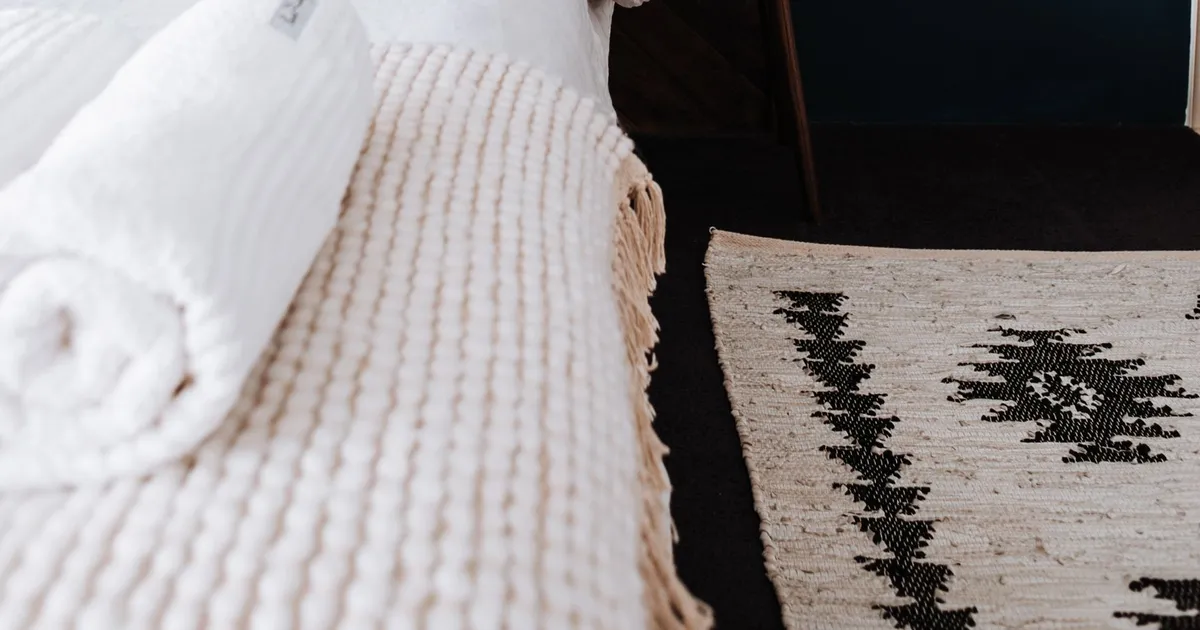
Beds and bedroom casegoods are a core export for Vietnamese factories. Plants in the south and centre of the country make full bedroom suites in solid wood, veneer and panel for buyers in North America, Europe, Japan and Australia. The product looks simple, but a bed and a dresser fail in different ways, and each has its own measurements, standards and construction details.
This guide explains how bedroom furniture is built in Vietnam, which dimensions and rules depend on your market and what to put in a specification.
Beds: the structure
A bed has a headboard, a footboard, side rails and a support system for the mattress. Each part has a job.
Headboard and footboard. They carry the look and tie the frame together. Solid wood headboards need stability against cupping. Upholstered headboards need a stiff frame and a clean attachment to the bed.
Side rails. They carry the load of the mattress and the sleepers, and they connect to the headboard and the footboard. The joints are the critical point. Common connections include hook and slot fittings, bed bolts with barrel nuts and metal brackets.
Slat or platform support. Slats of solid wood or laminated bent wood sit across the rails and support the mattress. Slat spacing, thickness and the centre support rail decide how long the bed lasts, and they matter to mattress makers, who often set a maximum gap.
Legs and centre support. A queen or king bed needs a centre rail with legs that reach the floor, so the slats do not sag.
A bed that squeaks or wobbles after a few months usually has a weak connection between the rail and the headboard, or slats that are too thin. Ask the plant to show these two details on a finished sample.
Casegoods: the structure
Dressers, chests and nightstands are boxes with drawers. Quality sits in the drawers and the carcass.
Carcass. Panels glued or fitted into a stable box. Solid wood sides need room to move, and panel sides are common for stability. A plywood or MDF back adds rigidity and must be fixed so that it keeps the box square.
Drawer boxes. Corner joints range from simple stapled butt joints to dovetails. Dovetail joints last longer under load, and many plants use machine cut dovetails in solid wood or plywood boxes. Drawer bottoms of thin plywood slide in grooves.
Drawer runners. Wooden runners are cheap and last when they are well waxed. Metal ball bearing slides give smooth movement and full extension, and soft close versions add cost. Ask for the slide maker and the rated load.
Hardware and finish inside. Interior surfaces should be sanded and sealed so that clothes do not snag and odours do not collect.
Bed size by market
| Market | Common double or large sizes | Notes |
|---|---|---|
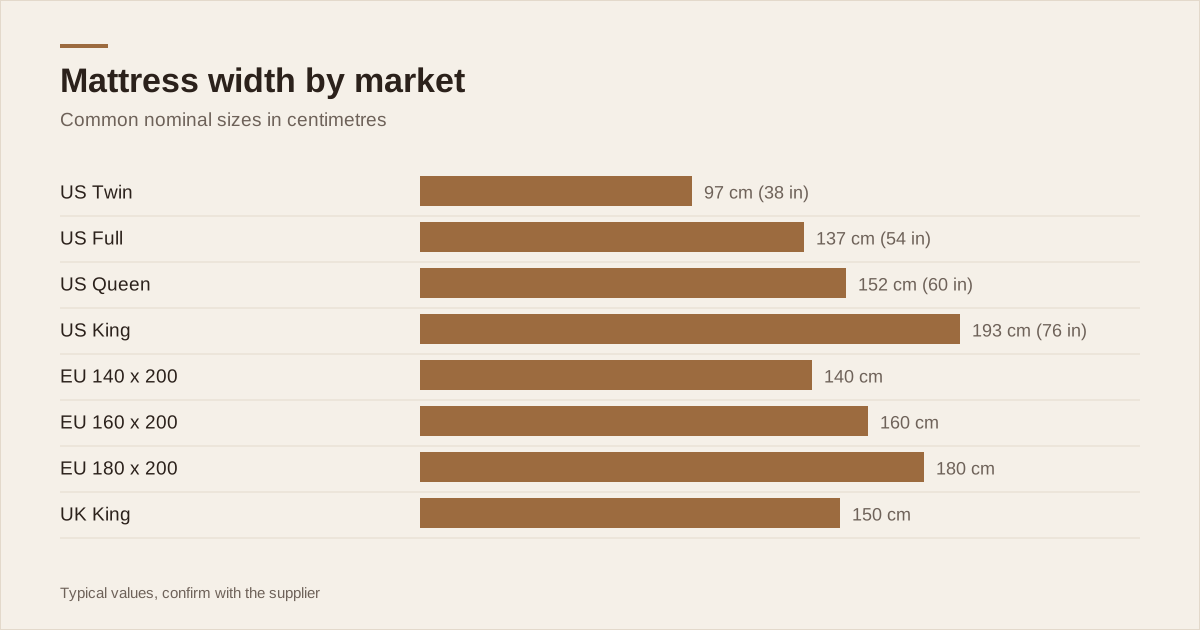
| United States, Canada | Twin 38 x 75 in, Full 54 x 75 in, Queen 60 x 80 in, King 76 x 80 in | Sizes in inches |
| European Union | 90 x 200 cm, 140 x 200 cm, 160 x 200 cm, 180 x 200 cm | Sizes vary by country |
| United Kingdom | Double 135 x 190 cm, King 150 x 200 cm, Super King 180 x 200 cm | Own standard |
| Australia | Queen 153 x 203 cm, King 183 x 203 cm | Own standard |
| Japan | Semi double, double, queen, king | Sizes differ from other markets |
These are common nominal sizes and mattress makers vary slightly, so give the factory the exact internal dimensions of the mattress space and a tolerance. A bed that is 10 mm too small leaves a mattress that does not fit, and a bed that is 20 mm too big looks wrong and shifts under the mattress.
Materials in bedroom furniture
Solid plantation wood such as acacia and rubberwood is common in Vietnamese bedroom suites, often with panel for large flat surfaces, as explained in the solid wood versus engineered panel guide. Veneered MDF and plywood carry matching grain across drawer fronts and tops. Imported oak, ash and pine appear in more premium and in more rustic lines, as covered in the oak and ash guide and the pine guide.
Bedroom furniture sits in a heated room with a changing humidity level, so moisture content matters. Parts machined wet shrink in a dry house and show gaps in drawer fronts and panel joints. The moisture content guide lists typical targets.
Safety and standards
Beds and storage units face safety rules that differ by market.
Storage unit stability. In the United States, clothing storage units above a stated height must pass a stability test, carry a permanent warning label and be sold with a tip restraint. Standards and rules in other markets cover similar risks. If your product is a dresser or a tall chest, ask for a test report to the current rule for your market.
Bed and bunk safety. Children’s beds, bunk beds and cribs have strict rules on gaps, guard heights and strength. A bunk bed is a safety critical product, and a test report from an accredited lab should be a condition of the order.
Chemicals. Panels, coatings and glues carry rules on formaldehyde and other chemicals, as explained in the CARB and TSCA guide.
The furniture test standards guide explains how to request tests and read reports.
Upholstered and mixed material beds
Upholstered headboards are popular and add three checks. The frame under the fabric should be a stiff wood or panel structure, since a flexible frame sags and wrinkles the cover. The foam density and the fabric abrasion rating decide how the headboard ages, and fire rules for upholstery differ by market. Staples and glue must hold the fabric under tension at the corners. Ask for a cut away photo of the headboard structure, and for the fabric and foam data sheets.
Mixed material beds, such as a metal frame with wooden slats or a solid wood bed with a rattan or cane headboard, add another interface. Metal and wood move differently, and joints between them loosen if the design does not allow for it. The rattan guide explains how woven materials behave when they are combined with a wood frame.
Nightstands and small casegoods
Nightstands look easy and often draw the most complaints per unit, because customers use them every day. Check the drawer slide, the weight a top will carry, the cable cutout if the design has one and the height against the bed. A nightstand 50 mm too high or too low relative to the mattress top feels wrong in the room and shows up in reviews.
Small casegoods also need stability. A light nightstand with one drawer can tip when the drawer is fully open and loaded, so check the stop on the slide and the weight distribution. Rules on stability apply to smaller units in some markets as well.
Mirrors and glass
Many suites include a mirror, either free standing or attached to a dresser. Glass adds safety and shipping questions. Mirror glass should be a stated thickness with a safety backing or a stated edge treatment, and the frame must carry the weight without bowing. Attachment hardware should be rated for the weight, with at least two fixing points for a wall mounted mirror. Pack glass with rigid corner protection and mark the carton clearly, and ask for a drop test on a packed mirror, as explained in the packaging guide.
Cost drivers for a suite
Four items move the price of a bedroom suite. The wood and panel choice sets the material cost. The number of drawers and the slide type set the hardware and labour cost. The finish sets the finishing cost, and a multi step finish with hand distressing costs much more than a single colour lacquer. Packing sets the carton and freight cost, and a bed that ships knock down costs less to freight than one that ships built.
Ask the plant to split the price by item, so you can see which pieces carry the cost. A suite price that looks low sometimes hides a high price on one piece, with the rest priced low to win the order. The MOQ and order economics guide explains how to compare quotes on a like for like basis.
Typical defects to check
| Defect | Where it appears | Likely cause |
|---|---|---|
| Squeaking bed | Rail and headboard joints | Loose fitting, wood movement, weak bracket |
| Sagging slats | Under the mattress | Thin slats, wide gaps, missing centre support |
| Sticking drawers | Casegoods | Swollen wood, poor slide alignment, wet parts |
| Racked carcass | Dressers | Loose back panel, weak joints |
| Gaps in drawer fronts | After shipment | Parts machined at too high a moisture level |
| Finish marks at edges | Corners and edges | Poor sanding, rushed finishing |
Most of these show in a pre shipment inspection. The quality inspection guide shows how to define the checks.
Sets, matching and lead time
A bedroom suite is a set, and the set must match. Colour, grain and sheen should be consistent across bed, nightstands, dresser and mirror. Plants achieve this by finishing the whole set from one colour batch and by cutting parts from the same lot of wood. Ask the plant to finish items together and not in separate runs weeks apart.
Sets also lengthen the schedule. A plant that must finish a five piece suite for a container usually waits for its slowest item, so one delayed nightstand holds the whole set. The lead time guide shows how to plan, and a clear packing list per container avoids partial sets arriving without a bed.
Packing and knock down
Bedroom pieces are bulky, so many ship flat. Beds usually ship knock down, with headboard, footboard, rails and slats in separate cartons, and casegoods ship assembled or semi assembled. The knock down guide covers the hardware and instructions, and the packaging guide covers cartons and drop tests.
What to put in the specification
For beds, state the mattress size and tolerance, the headboard and footboard construction, the rail connection type, slat thickness and spacing, centre support and leg count and the finish. For casegoods, state the carcass material, the back panel, the drawer box joint, the slide type and load rating, the interior finish and the safety rule. Add the set matching rule and the carton plan.
To compare factories that make bedroom suites, send your specification through the RFQ page. The matching service finds up to three Vietnamese wood factories and replies within 24 business hours.
Frequently asked questions
What are casegoods?
Casegoods are storage furniture built as a case with drawers or doors, such as dressers, chests, nightstands, wardrobes and sideboards. The word separates them from upholstered furniture and from beds. In a bedroom collection, the bed is the visual anchor and the casegoods carry most of the cost and the construction risk.
Do mattress sizes differ between markets?
Yes. A queen bed in the United States is 60 by 80 inches, while common European double sizes are 140 by 200 or 160 by 200 centimetres, and the United Kingdom uses its own king and double sizes. A bed built for one market will not fit the mattress of another, so state the mattress size and the tolerance in the order.
What is a tip-over rule for dressers?
In the United States, clothing storage units above a stated height must pass a stability test and carry a warning label and a tip restraint under federal rules. Other markets have their own stability standards. If your product is a dresser or a tall chest, ask for the current rule for your market and request a test report.
Need a quote for this product?
Send the specification. We match you with up to 3 Vietnamese wood factories and reply within 24 business hours.
Get matched with a Vietnam wood factory