Vietnam Wood Products, Matched to the Right Factory
Send one specification. We match it with up to 3 Vietnamese wood factories that already build that product. Reply within 24 business hours.
Can a Vietnam wood factory make your product?
Vietnam is strong on plantation hardwood, panel work and hand finishing, and weak on very small runs and exotic imported species. Tick what applies to your product. Two or more ticks usually means a factory here will quote it well.
Where Vietnam is strong
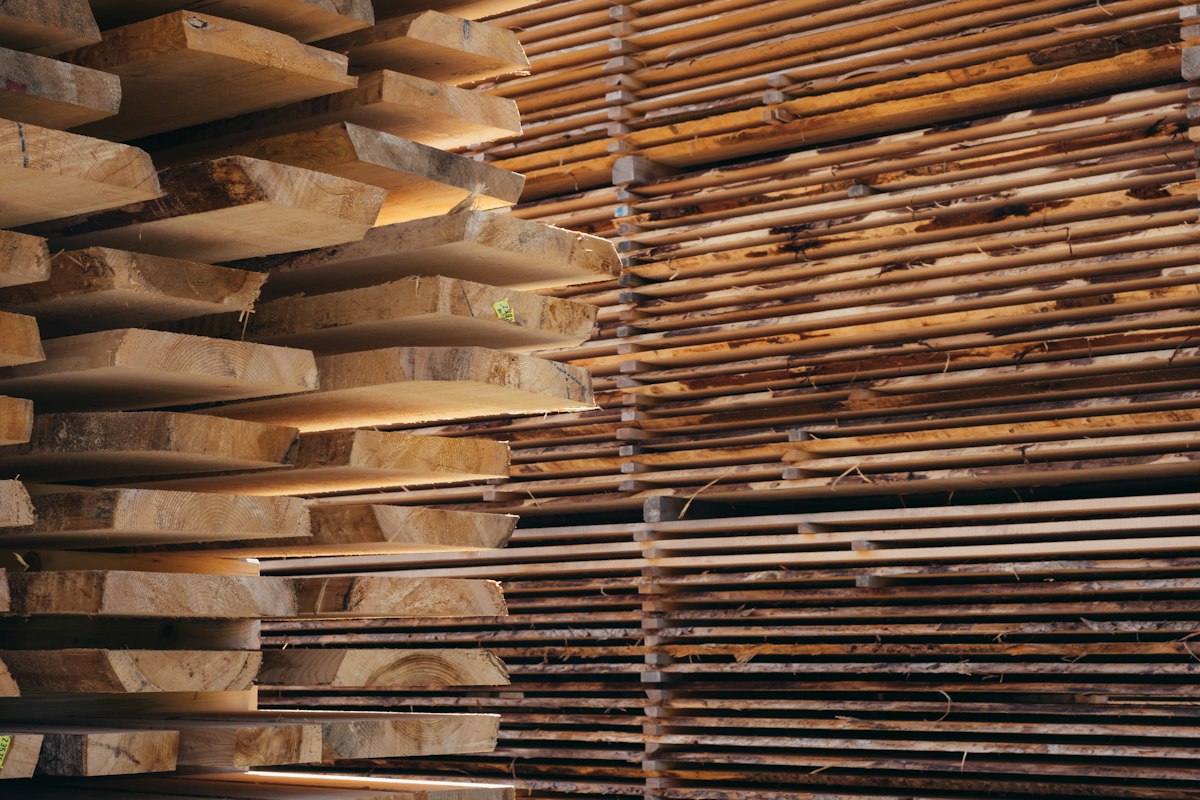
Plantation acacia and rubberwood grown and sawn inside the country, large kiln capacity, hand sanding and finishing at a labour cost that still works, and long practice at export packing for the US and EU. Most factories sit in Binh Duong, Dong Nai and around Quy Nhon. See how the processing chain runs from kiln to finishing line.
Where it is weak
Oak, walnut and ash are imported, so they cost more here than at the source. Very small runs carry heavy setup. Metal, glass and upholstery are often subcontracted, which adds a step to the lead time.
What Vietnamese wood factories build
Six groups cover most export volume. MOQ and lead time below are typical ranges asked by mid size factories, not promises. The factory that quotes you sets its own.
| Category | What it covers | Typical MOQ | Typical lead time |
|---|---|---|---|
| Indoor furniture | Dining, bedroom and living room pieces in solid wood or panel. | 100 to 300 pcs per model | 45 to 75 days |
| Outdoor furniture | Garden sets, loungers, folding chairs and decking tiles, mostly acacia and eucalyptus. | 200 to 500 pcs per model | 50 to 80 days |
| Furniture components | Legs, frames, drawer parts, edge glued panels and finger joint board. | 1 to 3 containers | 35 to 60 days |
| Flooring and decking | Engineered flooring, solid strip flooring and outdoor decking boards. | 1 container | 45 to 70 days |
| Plywood and panels | Commercial plywood, film faced plywood, blockboard and veneered MDF. | 1 container | 30 to 50 days |
| Kitchenware and houseware | Cutting boards, serving trays, bowls, utensils and small storage. | 1,000 to 5,000 pcs | 35 to 60 days |
Lead time starts when the sample is approved and the deposit clears, not when you send the drawing.
Acacia or rubberwood?
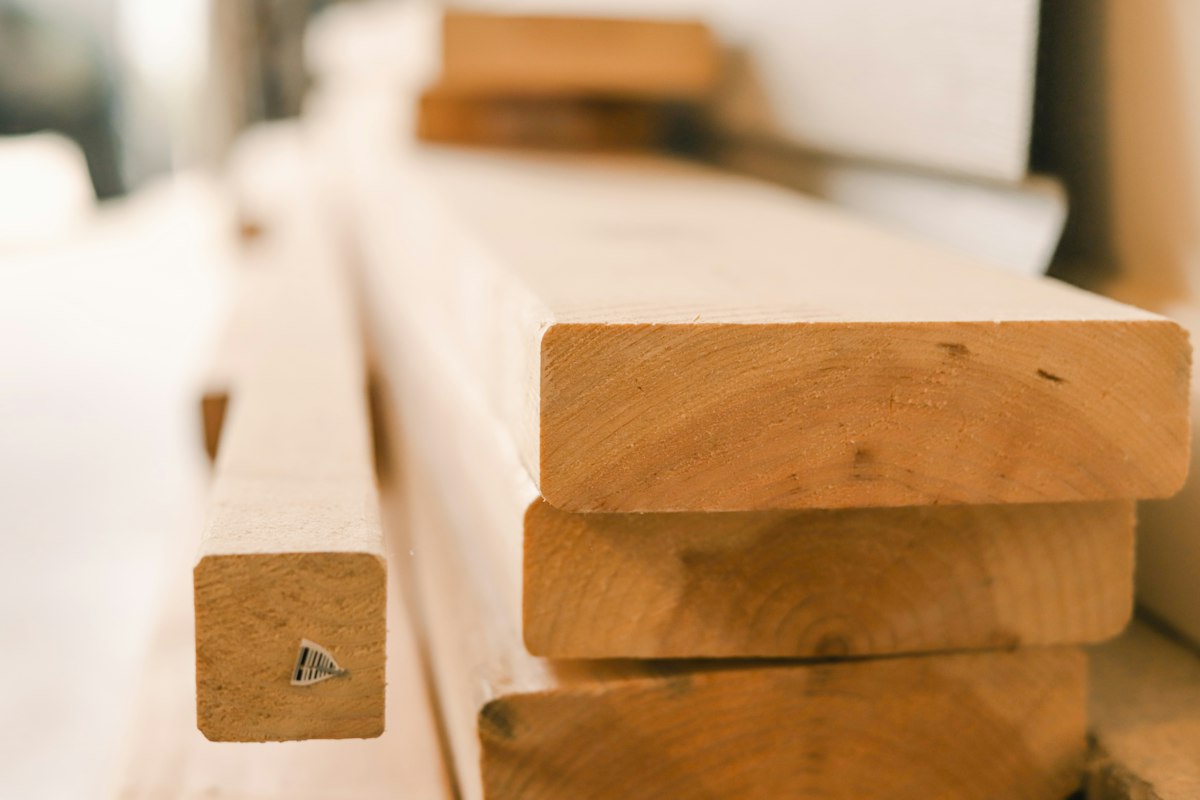
Two plantation species carry most of what leaves Vietnam. They are not interchangeable, and picking the wrong one is the most common reason a first order disappoints.
Acacia
Harder, darker and more figured. Handles outdoor use once it is oiled and re-oiled.
- Garden furniture, decking tiles, cutting boards, flooring
- Strong colour variation between boards, which some buyers want and some reject
- Ask how the factory sorts colour before you approve the sample
Rubberwood
Pale, even and cheap, because it is what a latex plantation yields at the end of its life.
- Indoor furniture, components, edge glued panels, kitchenware
- Takes stain evenly, so it can be finished to look like other species
- Needs full protection. It will not survive outdoors
| Species | Botanical name | What it suits | What to know |
|---|---|---|---|
| Acacia | Acacia mangium and hybrids | Outdoor furniture, cutting boards, flooring, panels. | The largest plantation hardwood in Vietnam. Warm mid brown with strong figure and real colour variation. Dense enough for outdoor use once it is oiled. |
| Rubberwood | Hevea brasiliensis | Indoor furniture, components, edge glued panels, kitchenware. | A by-product of latex farming, so supply is steady and cheap. Pale cream to light straw, close to even, takes stain well. Indoor use or full protection only. |
| Eucalyptus | Eucalyptus urophylla and hybrids | Outdoor furniture, decking, plywood core. | Pinkish brown with straighter grain than acacia. Often used when acacia supply tightens or a straighter look is wanted. |
| Pine | Imported radiata and European pine | Painted furniture, packaging, panels. | Imported from Chile, New Zealand or Europe and worked in Vietnam. Very pale with visible knots, so it is usually painted or heavily stained. |
| Engineered panel | Plywood, MDF, blockboard | Carcasses, flat pack, cabinet doors, shelving. | Faced with veneer, melamine or paint. Holds a price and a flat surface at a scale solid wood cannot match. |
Legality paperwork, decided before the order
Wood is one of the few categories where the documents can stop the container at the border. Tell us on the form what your market needs and we only match factories that can produce it.
- FSC chain of custodyAsk for the certificate number and check it yourself on the FSC public search. A factory can hold a valid certificate and still ship uncertified stock unless you order the certified line and it is written into the contract.
- EUDR due diligenceFor the EU market you need geolocation of the harvest plot, species, quantity and a risk assessment. The factory has to hand you that file, not just state that the wood is legal.
- US Lacey ActImports into the US need a declaration with species, country of harvest and value. The usual failure is a wrong or vague species name carried over from an old document.
- CARB and TSCA Title VIPanel products going to the US must use compliant boards. Ask for the panel supplier certificate behind the factory statement, because the factory is rarely the panel maker.
Who sends us specifications
Say which of these you are on the form. It changes which factory fits, because a hotel project and a retail program are different jobs for the same machines.
Importers and wholesalers
Container volume across several models. Price per piece FOB usually decides the deal.
Retail chains
Repeat programs on a fixed spec, with packaging, barcode and delivery window rules.
Contract and hospitality
Hotel, restaurant and office projects that come with a drawing set and a site date.
Ecommerce brands
Flat pack, carton drop tests, smaller runs and faster reorders.
Flooring distributors
Engineered and solid strip, with grading rules and a moisture spec written into the contract.
Private label brands
Own design and own box, so the factory has to sign an NDA before sampling starts.
How it works
One specification from you. A short list of factories that fit it. No bidding platform and no middleman on the order.
Send your specification
Product, species, construction, finish, quantity, target market and the paperwork you need. Attach a drawing or a photo of a reference piece. About five minutes.
We match up to 3 factories
We read it and pick factories whose products, capacity and documents fit. You hear from us within 24 business hours, including when nothing fits.
Factories quote you directly
Each one contacts you with a price, a lead time and a sample plan. You compare, ask questions and order from the one you choose.
What drives the price
Five things decide most quotes on a wood product. If a number looks high, one of these is usually why, and several of them you can change on the spec.
- Species and gradeAcacia and rubberwood sit far below oak or walnut. Grade decides how much of each board is usable, and clear grade costs more than a rustic grade that shows knots.
- ConstructionSolid one piece, finger joint, edge glued panel and veneered panel all price differently for the same shape. Say which one you accept, or the quotes will not compare.
- FinishRaw is cheapest. Oil, stain matched to a reference, lacquer, UV coating and distressing each add steps, drying time and rejected pieces.
- Order sizeJigs, the first sample and the setup are paid once. An order below a factory normal run carries most of that cost on very few pieces.
- Packing and IncotermExport cartons, drop tests, pallets and the gap between EXW, FOB and CIF can move a landed price more than the wood itself does.
Have a product in mind?
Send the short version now and we will ask for anything missing. If you would rather give the full detail up front, use the full RFQ form.
Your files go only to the factories we match. Ask for an NDA and nothing is shared until it is signed.
Run a wood factory in Vietnam?
Factories see a preview of each request before paying for it, then talk to the buyer directly. We take no commission on the order.
Questions buyers ask
Something else? Email .
Is this free for buyers?
Yes. You pay nothing to send a specification or to receive quotes. Factories pay us for matched requests. Price, terms, inspection and shipping are agreed between you and the factory.
Who sees my drawings and my brand?
Factories first see a short preview with product type, species, construction, size, quantity and target market. It does not include your name, your brand or your files. Your contact details and files go only to the factories we match, up to 3. If you ask for an NDA, we hold the files until it is signed.
Do you own a factory?
No. We are a matching service. The factories that quote you own the machines, the kiln and the finishing line, and you place the order with them. We take no commission on the order.
How many quotes will I get?
Up to 3. If only one or two factories are a real fit for the product, we send it to fewer rather than fill the list with shops that will quote badly.
Can the factories supply FSC, EUDR or Lacey Act paperwork?
Some can and some cannot, and it changes the price. Tick what your market needs on the form and we only match factories that can produce those documents. Always verify a chain of custody number yourself before you place the order.
What do you need from me to get a usable quote?
Product and dimensions, wood species or a note that it is open, construction, finish, quantity, target market and your Incoterm. A drawing, a photo of a reference piece or a packing spec makes the first quote far closer to the real number.
Guides for wood buyers
- Choosing a Factory
CNC Wood Machining Vietnam: 3-Axis, 5-Axis, Nesting
What CNC routers, nesting machines and 5-axis centres do in Vietnamese furniture plants, which parts suit each, and what to ask about tooling and tolerances.
- Sourcing Guide
Bedroom Furniture Vietnam: Beds, Casegoods and Standards
Source beds, dressers and nightstands from Vietnamese factories: mattress sizes by market, slat and drawer construction, tip-over rules and spec points.
- Industry Analysis
Vietnam vs China for Furniture: Where the Gap Really Is
The cost gap between Vietnam and China depends almost entirely on construction. Where Vietnam genuinely wins, where it has already lost the advantage and why.